
Service Hotline
Service Hotline
Cost control in instrument manufacturing: Reducing costs through standardized production
In modern manufacturing, cost control is the key to the survival and development of enterprises. For instrument manufacturing enterprises, how to reduce costs through standardized production while ensuring product quality is the core issue for their continuous development. Standardized production is an effective way to control costs, which reduces unnecessary processes and repetitive work, optimizes processes, improves efficiency, and thus effectively controls costs while ensuring quality.
One, Significance of Standardized Production
Standardized production is the standardization of links that appear repeatedly in the production process, are universal, and can form economies of scale, forming unified standards and specifications to make the production process more orderly and efficient. Through standardized production, waste in the production process can be reduced, production costs can be reduced, production efficiency can be improved, product quality can be enhanced, and the goal of cost control can be achieved.
Two, Applications of Standardized Production in Instrument Manufacturing
Design standardization
Design standardization is an important link in standardized production, which reduces repetitive work in the design process through standardization, improves design efficiency, and reduces design costs. At the same time, design standardization can also improve the versatility of products and reduce the cost of model changes in the production process, thus achieving cost control.
Standardization of the production process
Standardization of the production process is the core of standardized production, which reduces waste in the production process through standardization, improves production efficiency, and reduces production costs. For example, for links that appear repeatedly in the production process, are universal, and can form economies of scale, standardized processing can be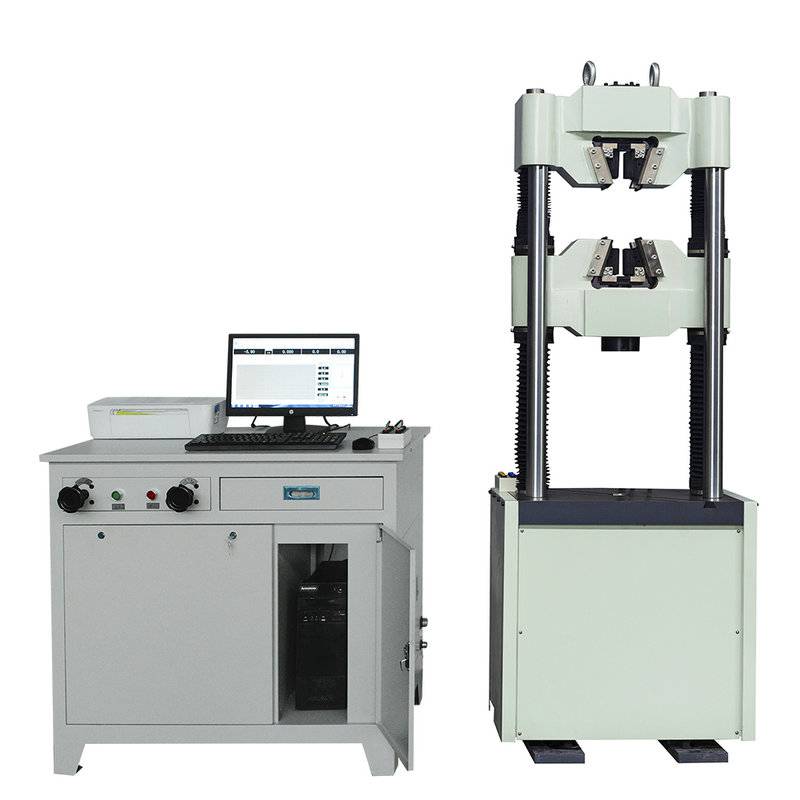 carried out, such as using automated equipment, using assembly line production, and using unified production standards.
Standardization of inspection and testing
Standardization of inspection and testing is an important link in standardized production, which reduces repetitive work in the inspection and testing process through standardization, improves the efficiency of inspection and testing, and reduces the cost of inspection and testing. For example, unified inspection standards and unified testing standards can be adopted to reduce waste in the inspection and testing process, improve efficiency, and reduce costs.
Three, Challenges of Standardized Production in Instrument Manufacturing
Although standardized production can effectively reduce production costs, there are also some challenges in the implementation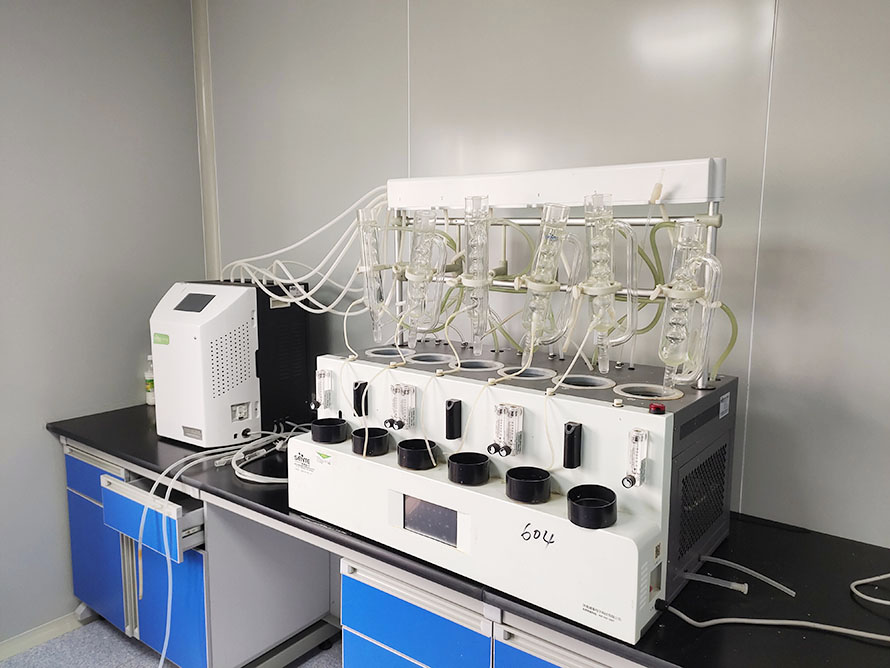 process. For example, standardized production requires enterprises to invest a lot of time and energy in design and optimization, which may increase the initial costs of the enterprise. In addition, standardized production requires enterprises to have a high level of management and professional skills, which may increase the operating costs of the enterprise. Therefore, enterprises need to consider various factors comprehensively in the process of implementing standardized production and formulate scientific and reasonable standardized production strategies.
Four, Conclusion
Standardized production is an effective way to control costs, as it reduces unnecessary processes and repetitive work, optimizes processes, improves efficiency, and thus effectively controls costs while ensuring quality. For instrument manufacturing enterprises, reducing costs through standardized production not only improves the competitiveness of the enterprise but also promotes the continuous and healthy development of the enterprise.
Copyright ©2025 Instrumentation Manufacturer
Addresses: Phone number: E-Mail:

Our Businesses