
Service Hotline
Service Hotline
Human-computer interaction design and its importance in the virtual manufacturing process of instrument manufacturing
In the process of instrument manufacturing, the extensive application of virtual manufacturing technology not only greatly improves manufacturing efficiency, but also makes product design more flexible and the production process more controllable. The human-computer interaction design in the virtual manufacturing process is a key link for achieving efficient, accurate, and safe manufacturing, and its importance should not be overlooked.
I. Human-computer interaction design in the virtual manufacturing process
The human-computer interaction design in the virtual manufacturing process mainly refers to the ways and interface design of human-machine interaction in the virtual environment. In the virtual manufacturing process, the factors to be considered in human-computer interaction design include the friendliness of the interface, the convenience of interaction, the clarity of information, and safety. During the design process, user needs should be fully considered, and the user experience should be improved by optimizing the interface design, adding interaction functions, and simplifying operational processes. In addition, safety factors should also be fully considered in the design, such as issuing timely warnings when dangerous situations occur during operation to avoid injury to operators.
II. The importance of human-computer interaction design in the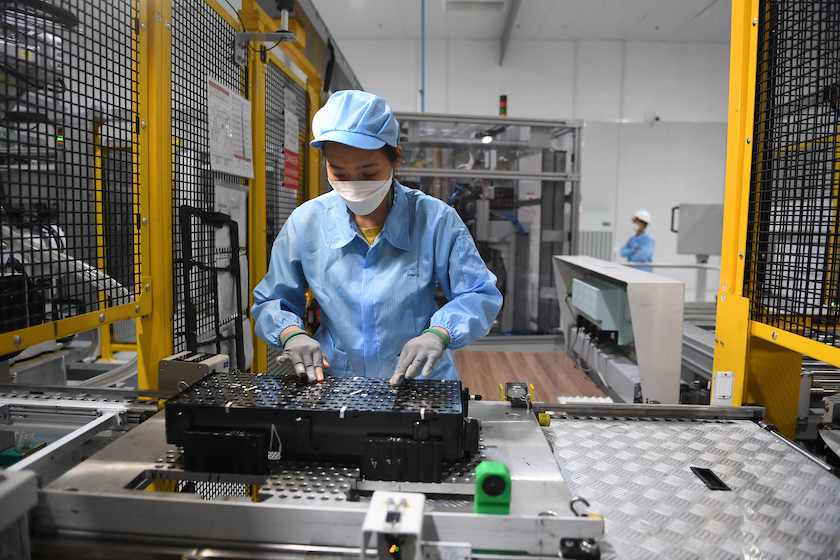 virtual manufacturing process
1. Improving manufacturing efficiency
By optimizing the interface design and simplifying operational processes, human-computer interaction design can improve user work efficiency. In the virtual manufacturing process, operators can quickly obtain the required information and perform operations, thereby improving production efficiency. In addition, by optimizing the human-computer interaction design, the rework caused by operational errors can be reduced, further enhancing production efficiency.
2. Enhancing product quality
In the virtual manufacturing process, human-computer interaction design can ensure that operators can accurately obtain the required information, thereby improving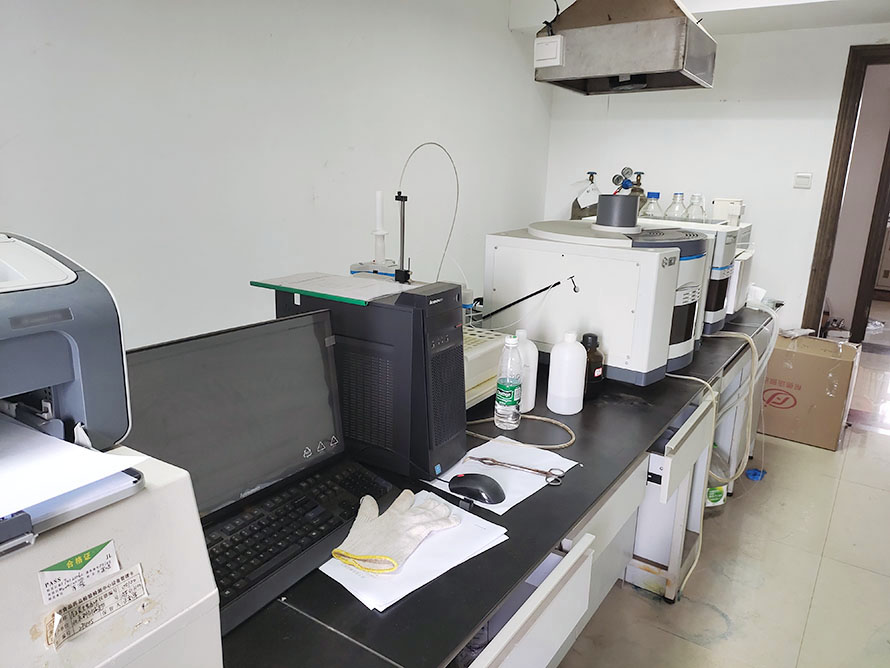 product quality. For example, during the design process, by optimizing the interface design, operators can accurately input parameters, thus improving the design quality of the product. In addition, by optimizing the human-computer interaction design, the quality issues caused by operational errors can be reduced, thereby improving product quality.
3. Improving user satisfaction
Human-computer interaction design can enhance user satisfaction. In the virtual manufacturing process, by optimizing the interface design and adding interaction functions, the user's work experience can be improved, thereby increasing user satisfaction. In addition, by optimizing the human-computer interaction design, the convenience of user operations can be enhanced, thus increasing user satisfaction.
4. Ensuring operational safety
In the virtual manufacturing process, human-computer interaction design can ensure operational safety. By optimizing the interface design and adding safety functions, operators can timely detect dangerous situations during the operation, thereby avoiding injury. In addition, by optimizing the human-computer interaction design, operators' understanding of safe operation can be improved, thus enhancing operational safety.
In summary, the human-computer interaction design in the virtual manufacturing process plays a vital role in improving manufacturing efficiency, enhancing product quality, increasing user satisfaction, and ensuring operational safety. Therefore, in the virtual manufacturing process, we need to fully pay attention to the human-computer interaction design, optimize the interface design, increase interaction functions, simplify operational processes, and improve the user's work experience, thereby improving manufacturing efficiency and product quality, increasing user satisfaction, and ensuring operational safety.
Copyright ©2025 Instrumentation Manufacturer
Addresses: Phone number: E-Mail:

Our Businesses