
Service Hotline
Service Hotline
Optical system design plays a crucial role in instrument manufacturing, especially in medical imaging, industrial detection, and scientific analysis fields. One of the core components of the optical system is the lens, whose selection not only directly affects the imaging quality but also relates to the overall performance and cost of the system. The selection of parameters such as lens type, material, focal length, and diameter must be determined based on specific imaging requirements.
Basis for Lens Selection
Imaging Requirements: It is first necessary to clarify the specific imaging requirements, such as resolution, contrast, depth of field, color reproduction, etc. For example, in high-resolution imaging, it may be necessary to use lenses with a high numerical aperture (NA), while in applications requiring a wide field of view, it may be necessary to use lenses with a longer focal length.
System Cost: The material, manufacturing process, and mass production factors of the lens will all affect the cost. Therefore, under the premise of meeting performance requirements, it is best to choose lenses with high cost-performance.
Optical Performance: The refractive index, dispersion characteristics, surface quality, and thermal stability of the lens material will all affect the imaging quality. For example, low dispersion materials can reduce chromatic aberration and improve image quality.
Environmental Conditions: The working environment conditions that the lens needs to adapt to, such as temperature, humidity, and pollution levels, will also affect the selection of the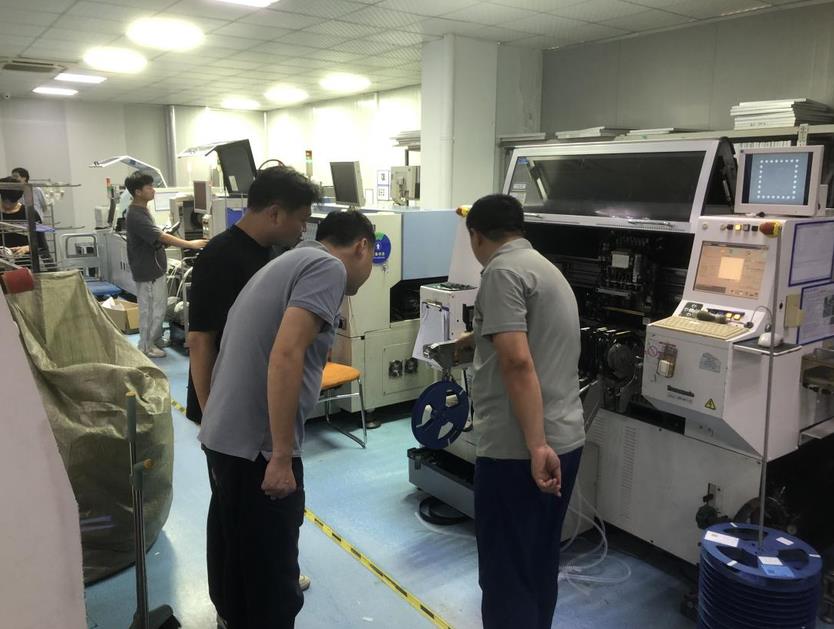 lens.
lens.
Influence on Imaging Quality
Resolution: The numerical aperture (NA) of the lens is one of the key parameters that determine the resolution. The larger the NA, the higher the resolution the system can achieve.
Contrast: The dispersion characteristics of the lens can affect the contrast of the image. Lenses with high dispersion may cause different colors of light to focus at different positions, thereby reducing the contrast of the image.
Depth of Field: The depth of field of a lens determines the range of distances over which the lens can produce a clear image. The larger the depth of field, the clearer the image, especially in applications where clear images are required at different distances.
Chromatic Aberration: Chromatic aberration refers to the phenomenon where different colors of light focus at different positions, which can cause the image to appear with color spots or color streaks. Choosing low dispersion materials or using multi-layer coating technology can effectively reduce chromatic aberration.
In summary, the selection of lenses is a very critical link in optical system design, which requires comprehensive consideration based on specific application needs. Reasonable lens selection can not only meet the requirements of imaging quality but also improve the stability and reliability of the system, providing strong support for applications in scientific research, industrial detection, and other fields.
Copyright ©2025 Instrumentation Manufacturer
Addresses: Phone number: E-Mail:

Our Businesses