
Service Hotline
Service Hotline
Mechanical Transmission Systems in Instrument Manufacturing: Calculation Methods and Applications of Transmission Ratio
Mechanical transmission systems play a crucial role in instrument manufacturing, as they transmit power from one mechanical component to another, enabling machines to perform predetermined actions. In the process of designing and manufacturing instruments, the calculation of transmission ratio is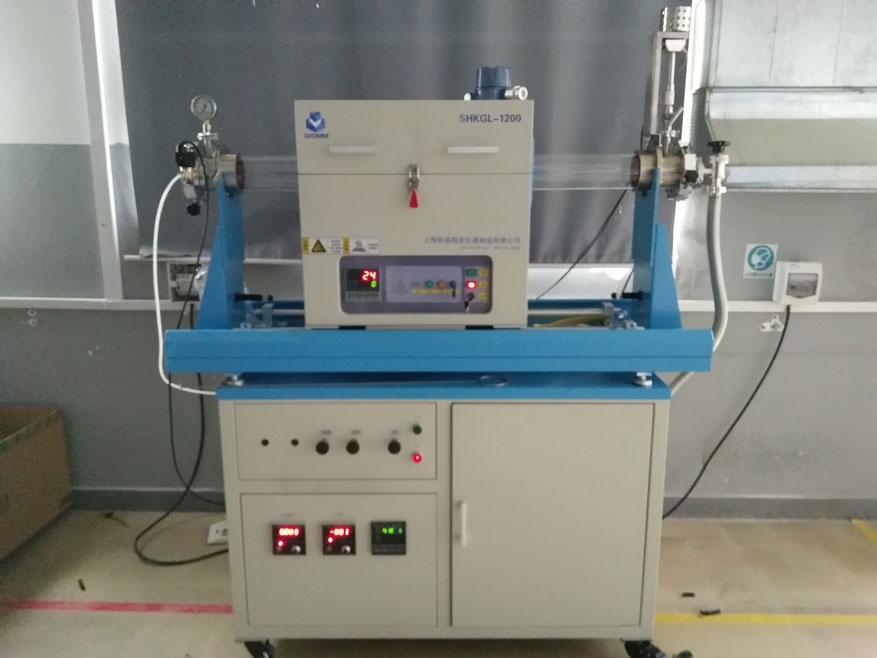 an important skill that mechanical design engineers must master. This article will discuss the calculation method of transmission ratio and its application in different instruments.
The transmission ratio is a measure of the speed or torque relationship between two shafts in a transmission system. It can be calculated based on the geometric relationship of the transmission shaft, that is, the transmission ratio is equal to the ratio of the speed of the driving shaft to the speed of the driven shaft, or the ratio of the torque of the driving shaft to the torque of the driven shaft. In practical applications, the calculation of the transmission ratio is determined according to the design requirements and performance indicators of the mechanical system.
In instrument manufacturing, mechanical transmission systems are widely used in various instruments and equipment, such as microscopes, printers, robots, measuring instruments, etc. In microscopes, the mechanical transmission system is used to adjust the rise and fall of the tube and the movement of the objective lens to meet different observation requirements; in printers, the transmission system is responsible for controlling the movement of the print head to achieve accurate printing of text and images; in robots, the transmission system is used to drive the joints of the robot to enable the robot to perform various complex tasks; in measuring instruments, the transmission system is used to drive the measuring sensors to achieve precise measurements.
The calculation of transmission ratio is of great significance in instrument manufacturing. Correct transmission ratio calculation can ensure that the performance of the instrument reaches the expected goal, such as accuracy, speed, and torque. In addition, the calculation of transmission ratio can also help engineers optimize mechanical design to reduce manufacturing costs and improve the reliability and service life of the instrument.
When calculating the transmission ratio, factors to consider include the geometric relationship of the transmission shaft, friction loss, and transmission efficiency. The geometric relationship of the transmission shaft directly affects the calculation results of the transmission ratio, so it is necessary to fully consider the geometric relationship of the transmission shaft when designing the mechanical transmission system. Friction loss and transmission efficiency will also affect the calculation results of the transmission ratio, so it is necessary to fully consider friction loss and transmission efficiency when designing the mechanical transmission system.
The calculation method of transmission ratio has a wide application in instrument manufacturing, and it is of great significance for improving the performance of instruments, reducing costs, and enhancing reliability. By accurately calculating the transmission ratio, engineers can optimize mechanical design, improve the performance of instruments, and thus meet different application requirements.
Copyright ©2025 Instrumentation Manufacturer
Addresses: Phone number: E-Mail:

Our Businesses