
Service Hotline
Service Hotline
Fault diagnosis and troubleshooting methods, as well as common problem analysis of fluid power transmission systems in instrument manufacturing
Fluid power transmission systems play an important role in instrument manufacturing, providing not only power but also energy conversion and transmission, and are key components of many precision instruments and equipment. However, fluid power transmission systems may encounter various faults during actual operation, affecting their normal operation. Therefore, understanding fault diagnosis and troubleshooting methods, as well as common problem analysis, is crucial for ensuring the stable operation of fluid power transmission systems and extending their service life.
Firstly, common faults and analysis of fluid power transmission systems
Oil contamination: Oil contamination is a common problem in fluid power transmission systems, including particle contamination, water contamination, and air contamination in the oil. These contaminants may block oil passages, cause system pressure drop, affect transmission efficiency, and even cause equipment damage in severe cases. Therefore, regular inspections and oil changes, and ensuring oil cleanliness are key to preventing such faults.
System leakage: Leakage problems may lead to reduced system efficiency and even safety accidents. Leakage usually occurs at sealing parts, pipeline connections, valves, and other locations. Regular inspections and maintenance, and timely replacement of worn or aging components, can effectively avoid such faults.
Oil temperature too high: Excessive oil temperature accelerates oil aging, affects its lubricating performance, and may even cause serious accidents such as fires. This is usually related to cooling system failure or improper oil selection. Improving cooling system performance and reasonably selecting oil types are effective ways to solve this problem.
Pressure fluctuation: Pressure fluctuation may be caused by multiple factors, including pump performance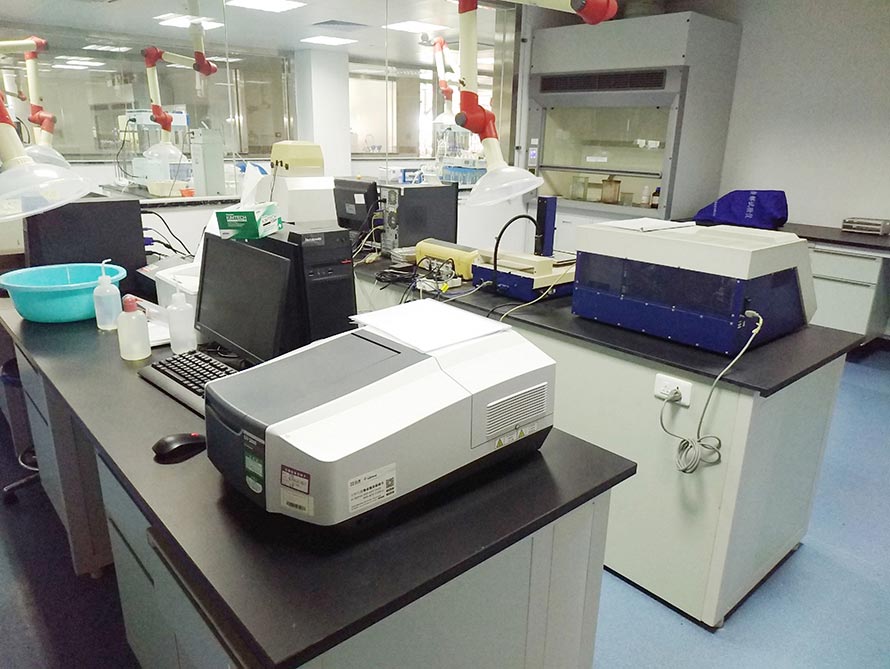 issues, unreasonable pipeline design, and load changes. By optimizing pump selection and installation, improving pipeline design, and reasonably controlling load, pressure fluctuation can be effectively reduced.
Secondly, fault diagnosis and troubleshooting methods for fluid power transmission systems
Observation method: By observing abnormal phenomena during system operation, such as abnormal pressure gauge readings and abnormal sounds, the initial judgment of the fault type can be made.
Detection method: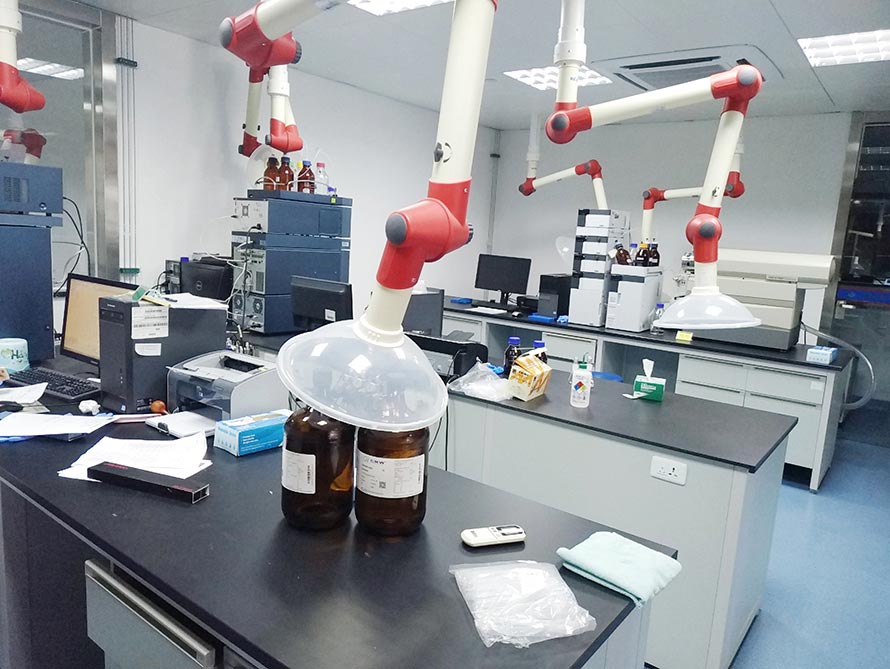 Use professional equipment to detect the system, such as using an oil quality analyzer to detect oil quality, and using a pressure gauge to detect system pressure, etc.
Test method: By simulating fault phenomena, such as simulating load changes, observe the system response to determine the cause of the fault.
Replacement method: Replace the suspected faulty component with a new one and observe whether the fault disappears to determine the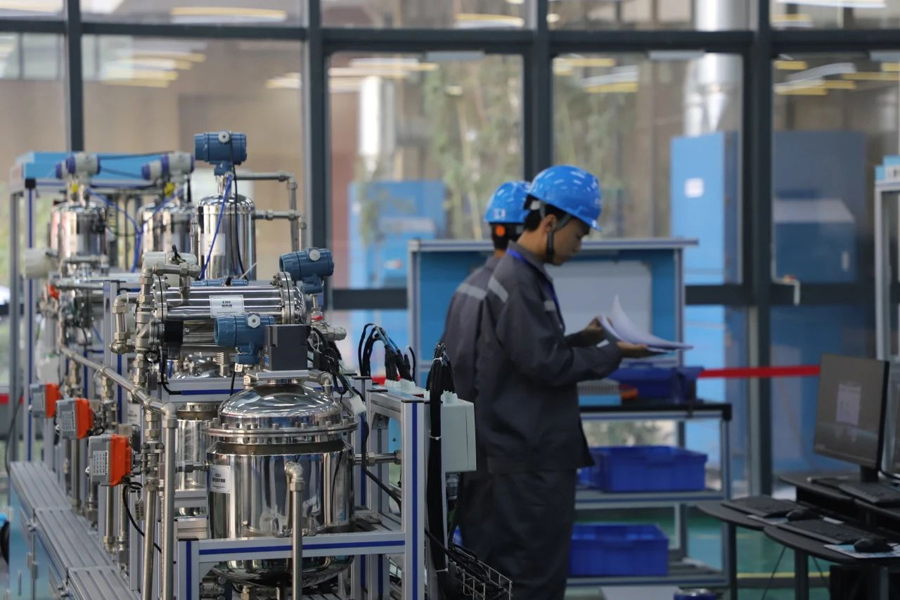 faulty component.
Data analysis method: By analyzing the system operating data at the time of fault occurrence, such as pressure, temperature, and flow rate, the cause of the fault can be identified.
In summary, the fault diagnosis and troubleshooting methods for fluid power transmission systems require the integration of practical operational experience, professional detection tools, and data analysis, among other means, to ensure the accuracy of fault diagnosis and the efficiency of troubleshooting. At the same time, preventive measures should be implemented throughout the entire system operation process, such as regular inspections, timely replacement of worn parts, and optimization of system design, to reduce the frequency of faults and ensure the stable operation of fluid power transmission systems.
Copyright ©2025 Instrumentation Manufacturer
Addresses: Phone number: E-Mail:

Our Businesses